

Making Money, Making Waves, Making ’Em Laugh
Plus: The DEA is coming

John Angelillo / UPI
The US is planning to “keep an eye on Canada” by opening two new Drug Enforcement Administration offices here. It’s not the only agency operating north of the border. ICE maintains field offices in five Canadian cities. Kent Roach explained what that presence means in our justice system:
Our courts have been pretty cautious with respect to forcing Canada to make a big stink to the United States. We might make a big stink, and it might have absolutely no effect, although, who knows, our tariffs could go up another 10 percent. The Charter won’t bind ICE or other American officials, even if they are in Canada. If Canadian police knew that American officials were snatching someone from Canada, I would hope they would charge them with kidnapping or conspiracy to kidnap. Canadian police officers should have independence in deciding to lay such charges. Hopefully, that would happen in Canada even though it has not happened in Minnesota in relation to ICE’s killings of Renée Good and Alex Pretti. [Read more]
Newfoundland is walking back its memorandum of understanding with Hydro-Québec, saying the proposed energy deal isn’t in the province’s best interest. The high-stakes Labrador project has been making waves since the recent provincial election, as Trevor Corkum found in “Churchill Falls Could Make Newfoundland and Labrador Rich—or Break It Again”:
The original 1969 Churchill Falls arrangement has been a source of rage and humiliation for generations of Newfoundlanders and Labradorians. The hydroelectric project is one of the largest in the world, involving a series of dykes on the Churchill River, as well as an underground power-generating station that transmits much of its electricity into Quebec. …The original deal saw Newfoundland and Labrador reap next to nothing for its vast energy reserves, while Quebec—whose public utility, Hydro-Québec, is the project’s major customer—has accrued an estimated $80 billion in profit. (To add insult to injury, Newfoundland and Labrador has received only a fraction of the energy produced from Churchill Falls since its inception.) A more recent hydroelectric project in Labrador, at Muskrat Falls, has been repeatedly delayed, spiralling billions of dollars over budget, and is beset by environmental and Indigenous pushback over concerns about its potential impacts on wildlife. The reworked Churchill Falls agreement is an opportunity to get things right. [Read more]
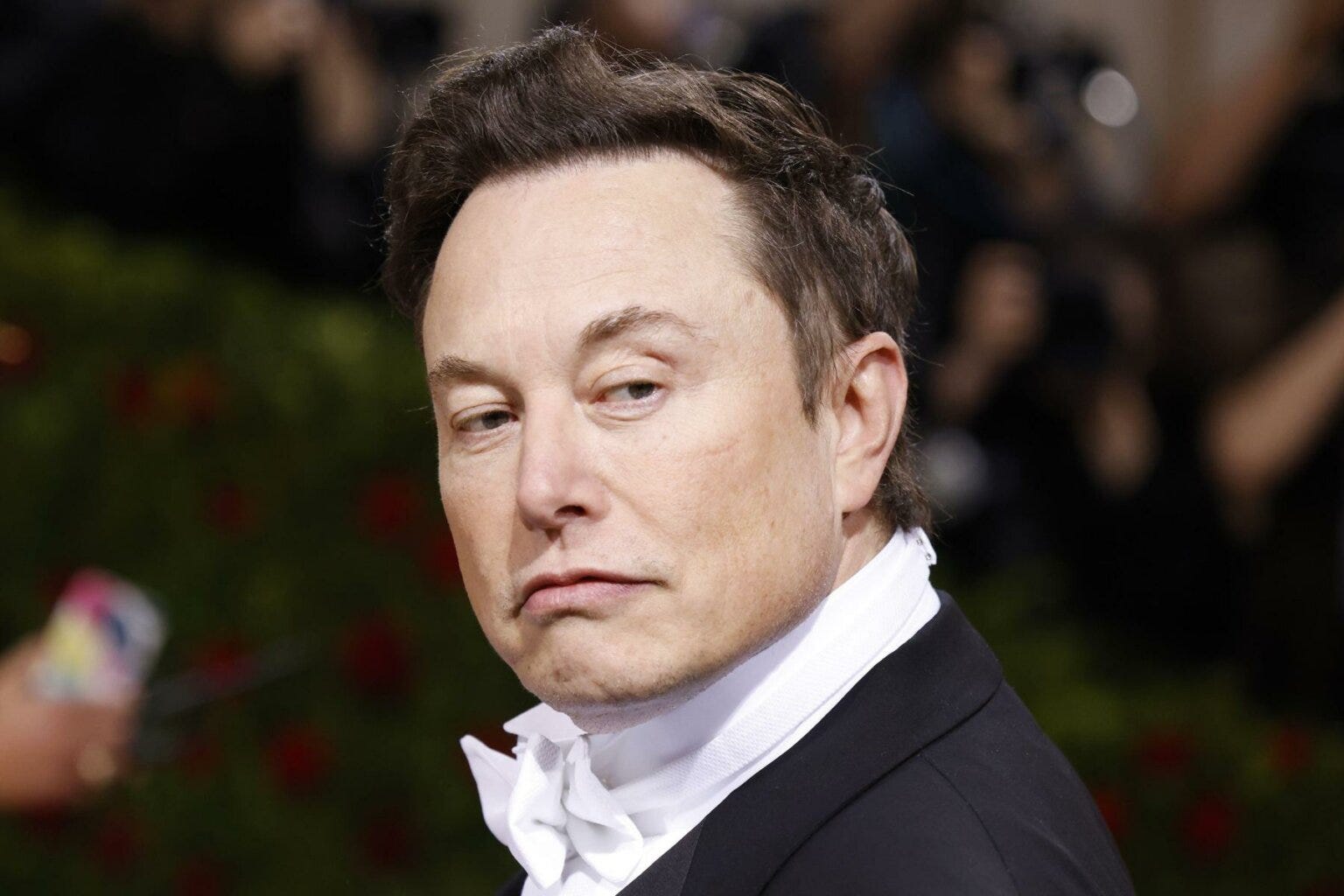
If you think the world’s billionaires have too much money, avert your eyes. Elon Musk could become a trillionaire as SpaceX inches toward an initial public offering on the US stock market. Kathy Chow did the math on what the made-up-sounding number really means:
I was curious about whether the ultrawealthy are motivated by the promise of more wealth. Surely, I surmised, there is a point of diminishing returns when money is no longer an incentive. Was there a difference between the daily life of a billionaire and that of a trillionaire? After all, how many private jets, yachts, or mansions can a man want? Political scientist Martin Gilens suggested that the ultrawealthy may be motivated by the desire for success, which in our society translates into the possession of ever more wealth. Darrell West reported that many ultrawealthy people are ideologically motivated. They support policies like deregulation and tax cuts, because—despite all evidence to the contrary—they genuinely believe that these policies are better for the country because they are good for business. I was surprised to find that many new additions to the Forbes 2025 list of billionaires are “self-made,” insofar as they did not inherit their wealth. But instead of sympathizing with those who are less well off, self-made billionaires may be especially susceptible to the myth that people should pull themselves up by their bootstraps. [Read more]
Just for Laughs founder Gilbert Rozon has agreed to pay $930,000 to nine women who accused him of sexual misconduct. The famous comedy festival folded in 2024. Did the comics shout, zut alors!? Sheima Benembarek reported the mood wasn’t exactly one of mourning:
With more comics posting their material on social media, attending and watching all the shows is no longer imperative. “It’s not like it used to be where all the agents are there. Like ‘Oh my god, you killed it, kid! Come to New York and we’ll do this and that,’” says Wassim El-Mounzer. While performing at JFL, El-Mounzer felt, like many other Canadian comics did, that he was undervalued. “You have a budget to bring in Kevin Hart for God knows how much money, and then we do a guest spot for free or a gala for $50.” And though Hart’s performance fee likely reflects his star power, one can argue that Canadian institutions, especially those that receive taxpayer money, have an obligation to boost domestic artists. [Read more]
This weekend edition is a stirring account of when same-sex marriage became legal in Ontario, from the point of view of a judge who was there when it happened:
I was asked by several members of the Toronto gay community if I’d be willing to officiate at weddings. I immediately answered, “Sure, just give people my work email address, and I’ll make arrangements for them to come to the courthouse and get married in my chambers.” …In two weeks, I received 8,000 emails, causing the courthouse server to crash! It’s hard to describe my emotions the first time I officiated at a wedding for a gay couple: two lawyers who’d appeared in my court many times. As tears streamed down my face, I thought of all the gay and lesbian couples who’d come before me who hadn’t lived long enough to see this day arrive. [Read more]
Check out our books podcast, What Happened Next, hosted by Nathan Whitlock. This week’s conversation is with Gabrielle Drolet about her memoir Look Ma, No Hands: A Chronic Pain Memoir
Read a poem by Betsy Warland: “Rains Rain”
Read a short story by Michael Redhill: “Breaking Fast”