

Vindication, a Vice Regal, and Adapting Salman Rushdie
Plus: MAID back up for debate

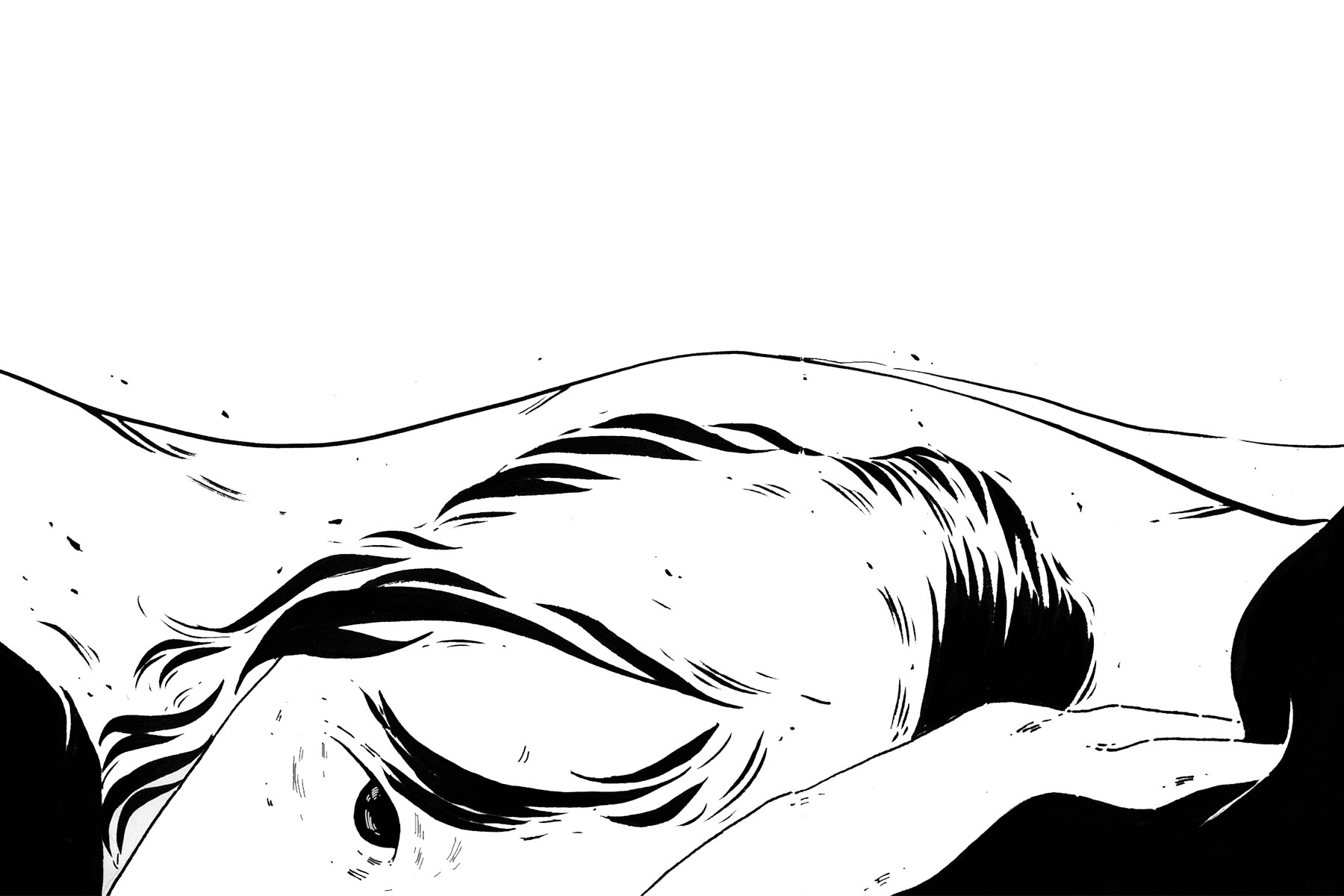
Illustration by Diana Nguyễn
Louise Arbour is officially the new Governor General of Canada. There’s always a lot of chatter about who gets the vice regal spot. Mary Simon’s appointment certainly sparked some. Read Julian Brave NoiseCat’s fascinating profile of Canada’s first Inuk governor general here:
In the ’70s, Inuit and their Cree neighbours stood up to Quebec and said that the province could not build an enormous complex of hydroelectric dams, which would permanently flood their lands along James Bay, without dealing with Indigenous peoples first. Their collective stand halted construction for a time and compelled the province to sign what is sometimes called the first “modern treaty,” in 1975. The agreement marked the end of the days when qallunaat could bulldoze Indigenous lands and peoples before we’d had our say. Simon cut her teeth on those negotiations. There aren’t many history books that tell the story of Simon and the Inuit movement. Indigenous history of any kind—the tragic or the triumphant—doesn’t get much ink. But if you check the record, you’ll see that at almost every turn, Mary Simon was there. [Read more]
The Globe and Mail reports that Canada will stop plans to allow medically assisted death to those experiencing mental illness. Does having a severe mental illness count as a “grievous and irremediable condition”? Meagan Gilmore explored uncomfortable questions like this in “Have Assisted Dying Laws Gone Too Far?”
“To say this is not suicide inducement or that it’s not suicide, I find bizarre,” says John Maher, a Barrie, Ontario, psychiatrist who has spent twenty years working with assertive community treatment teams. These twelve-person multidisciplinary teams work with people who have severe mental illnesses, including schizophrenia. There’s no consensus among psychiatrists that mental illnesses are irremediable, that they never get better. Maher argues that even patients with serious mental illnesses can improve; they often just need more time to find the right treatments that work for them—and for those treatments to be available to begin with. “If you’re saying ‘irremediable’ means they can’t be cured completely, sure, there are people who are irremediable,” he says. “If you’re saying it means there are people where you can’t reduce suffering . . . I don’t buy it.” [Read more]
Quebec’s superior court has quashed an ombudsman report that forced the resignation of the province’s former human rights commissioner, calling the investigation into Tamara Thermitus flawed. Martin Patriquin investigated what happened in “How Quebec’s Human Rights Commission Drove Out Its First Black Female President”:
The political and journalistic consensus in Quebec was that Thermitus, far from being the perfect candidate, was a bad boss, a bully who created a toxic environment for staff. Thermitus has challenged this narrative and has called the ombudsman’s report “biased and botched.” From her first day at work, she says, she faced a race- and gender-based whisper campaign that sought to stymie and discredit her at every turn—and which only grew louder as she tried to implement much-needed changes at the commission. According to François Laberge, Thermitus’s executive assistant at the QHRC, gossip about her at the commission began the moment her nomination was confirmed. Senior employees said she thought too highly of herself, was way too ambitious, and was too focused on issues of race. “There were many people who hadn’t met her, but they already had the image of the angry Black woman who doesn’t have the skills to do the job,” Laberge told me. [Read more]
Congratulations to Stephanie Nolen! The global health reporter for the New York Times was just named a finalist for the Pulitzer Prize in international reporting. The Canadian journo has contributed to The Walrus, writing about everything from bugs to corruption to this evocative piece on Deepa Mehta adapting a Salman Rushdie novel for film:
A half-dozen years ago, Mehta became friends with Rushdie, an artist whose relationship with India is as conflicted as her own. One night in November 2009, he was in Toronto on a book tour and joined her for dinner (Mehta is known for plying friends with feasts). The two had had desultory conversations about working together, and it came up again that night, as they sat on her living room floor drinking wine. Mehta had thought she might like to make a film of, perhaps, Rushdie’s Shalimar the Clown. And then she heard herself ask about Midnight’s Children. “Done,” said Rushdie. Mehta’s next thought: “You idiot, Deepa. Can’t you ever learn to keep your mouth shut?” [Read more]
Maude Barlowe offers a searing indictment of how we’ve financialized the natural world in this weekend edition, which focuses on the ramifications of seemingly positive ideas like “green finance.”
In 2024, 43 percent of Tesla’s net income came from selling carbon credits to other fossil fuel carmakers that had failed to produce sustainable vehicles in line with US and European Union environmental goals, earning $2.8 billion (US) for Elon Musk. Because Tesla sells its credits to other automakers, even consumers who do not want to support Musk and his politics by buying his cars can still be indirectly lining his pockets, reported the investigative journal Follow the Money in 2025. Tesla made more than $9.4 billion (US) on carbon offsets between 2020 and 2025. In October 2024, sixty renowned scientists from around the world warned that carbon offsets used by corporations are not cutting emissions overall and, in fact, are hindering the energy transition. They called on the world to take what they call the “real zero” pledge in place of “net zero,” which they call a “counting game.” [Read more]
Check out our books podcast, What Happened Next, hosted by Nathan Whitlock. This week’s conversation is with Miriam Toews about her memoir A Truce That Is Not Peace.
Read a poem by Alexandra Oliver: “The Villains”
Read a short story by Sean Michaels: “The Rainbow Festival”